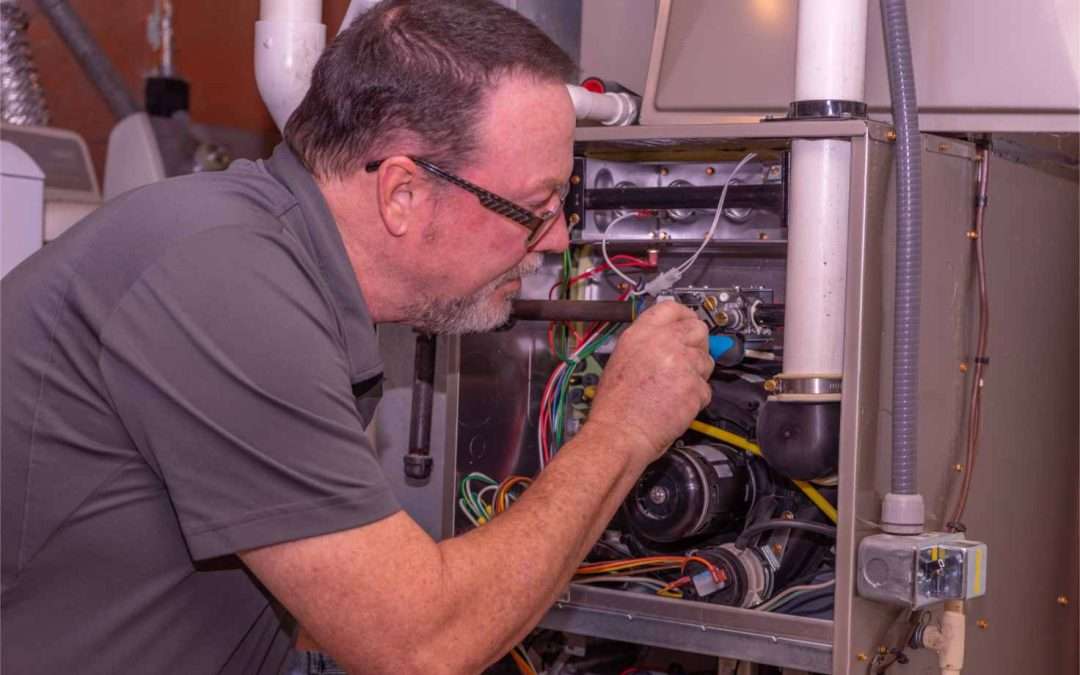
A professional furnace tune-up is a comprehensive inspection and cleaning service that ensures your heating system runs safely, efficiently, and reliably. A qualified technician will test safety controls, clean key components like the flame sensor and burners, inspect the heat exchanger for cracks, and measure system performance. This preventative maintenance is essential for catching small issues before they become costly emergency repairs during a cold Minnesota winter.
An annual tune-up is the key to a reliable and efficient furnace.
- Verify Safety: Technicians check for gas leaks and carbon monoxide risks.
- Boost Efficiency: Cleaning internal components helps the furnace run better and lowers energy bills.
- Prevent Breakdowns: Catching worn parts early prevents most mid-winter failures.
- Maintain Warranty: Most manufacturers require annual service to keep your warranty valid.
Table of Contents
- What is a Professional Furnace Tune-Up?
- The Ultimate Furnace Maintenance Checklist
- DIY Tasks vs. Professional Tune-Up
- Why Annual Maintenance is Crucial in Minnesota
- Frequently Asked Questions About Furnace Tune-Ups
- Schedule Your Furnace Tune-Up Today
What is a Professional Furnace Tune-Up?
Many homeowners wonder what really happens during a professional furnace tune-up. It’s much more than a quick look-over; it’s a detailed process designed to restore your system to peak condition.
The service focuses on three key areas: safety, efficiency, and longevity. By addressing all three, we ensure you have reliable heat you can count on.
The Ultimate Furnace Maintenance Checklist
While every visit can vary slightly based on your specific system, a professional tune-up from Tim’s Heating & Refrigeration includes a comprehensive set of checks.
Step-by-Step System Inspection:
- Inspect the Heat Exchanger: This is the most critical safety check. The technician inspects the heat exchanger for any cracks or corrosion that could leak dangerous carbon monoxide into your home.
- Clean and Test Burners & Flame Sensor: We clean the furnace burners to ensure efficient fuel combustion. The flame sensor is also cleaned and tested to make sure it’s properly detecting a flame and preventing gas from flowing when it shouldn’t.
- Check and Test All Safety Controls: This includes testing the high-limit switch and other controls that prevent the furnace from overheating.
- Inspect the Flue and Ventilation: The technician ensures the furnace’s exhaust vent is clear of obstructions and is safely removing combustion gases from your home.
- Clean and Inspect the Blower Motor: We check the blower motor and wheel for dirt and debris, which can restrict airflow and strain the system. We also check its amp draw to ensure it’s operating within the manufacturer’s specifications.
- Test the Ignition System: The ignitor is tested to ensure it is reliably lighting the furnace burners every time the heat cycles on.
- Measure Gas Pressure: The technician will measure and adjust the gas pressure to ensure the furnace is burning the correct amount of fuel for optimal efficiency.
- Inspect Electrical Components: All wiring and electrical connections are checked and tightened to prevent safety hazards and future failures.
Definition: Heat Exchanger The heat exchanger is a metal chamber inside your furnace where fuel is burned to heat the air. It is a critical component that keeps the breathable air of your home separate from the toxic combustion gases produced by the furnace. A crack in the heat exchanger is a serious safety hazard.
DIY Tasks vs. Professional Tune-Up
While professional service is essential, there is one crucial task homeowners should perform.
| DIY Maintenance | Professional Tune-Up Includes |
| Changing the air filter every 1-3 months. | Complete safety inspection (gas leaks, CO risk). |
| Keeping vents and the area around the furnace clear. | Cleaning and testing of internal components (burners, sensors). |
| Measurement and adjustment of gas pressure and electrical parts. | |
| Identification of worn parts before they fail. |
Frequently Asked Questions About Furnace Tune-Ups
How long does a furnace tune-up take? A thorough furnace tune-up typically takes about 60 to 90 minutes. This allows the technician enough time to complete all safety and efficiency checks without rushing.
How much does a furnace tune-up cost? The cost can vary, but it’s a small investment compared to a major repair or high energy bills. Please call us directly for our current tune-up pricing.
Is an annual furnace tune-up really necessary? Yes. In a climate like Minnesota’s where furnaces run hard for months, an annual check-up is essential for safety, preventing breakdowns, and maintaining efficiency. It’s the best way to protect your investment.
What happens if I skip a year of maintenance? Skipping a year may not cause an immediate breakdown, but it can lead to lower efficiency, higher bills, and accelerated wear and tear. It can also void your manufacturer’s warranty.
When is the best time of year to schedule a furnace tune-up? The best time is in the early fall (September or October) before you rely on it daily. This ensures it’s ready for winter and allows you to schedule a visit before the busy season begins.
Will a tune-up make my furnace quieter? Yes, it often can. Cleaning the blower and tightening panels can reduce rattling and humming. The technician can also identify worn motor bearings that may be causing squealing noises.
Protect Your Home This Winter
An annual furnace tune-up isn’t an expense—it’s an investment in your home’s safety, your family’s comfort, and your peace of mind. By having a professional service your system before the cold weather hits, you can rest easy knowing it will perform reliably all winter long.
By: The Team at Tim’s Heating & Refrigeration Last Updated: September 10, 2025 Credentials: Otter Tail County’s trusted choice for HVAC service with over a decade of experience in residential and commercial heating systems.