
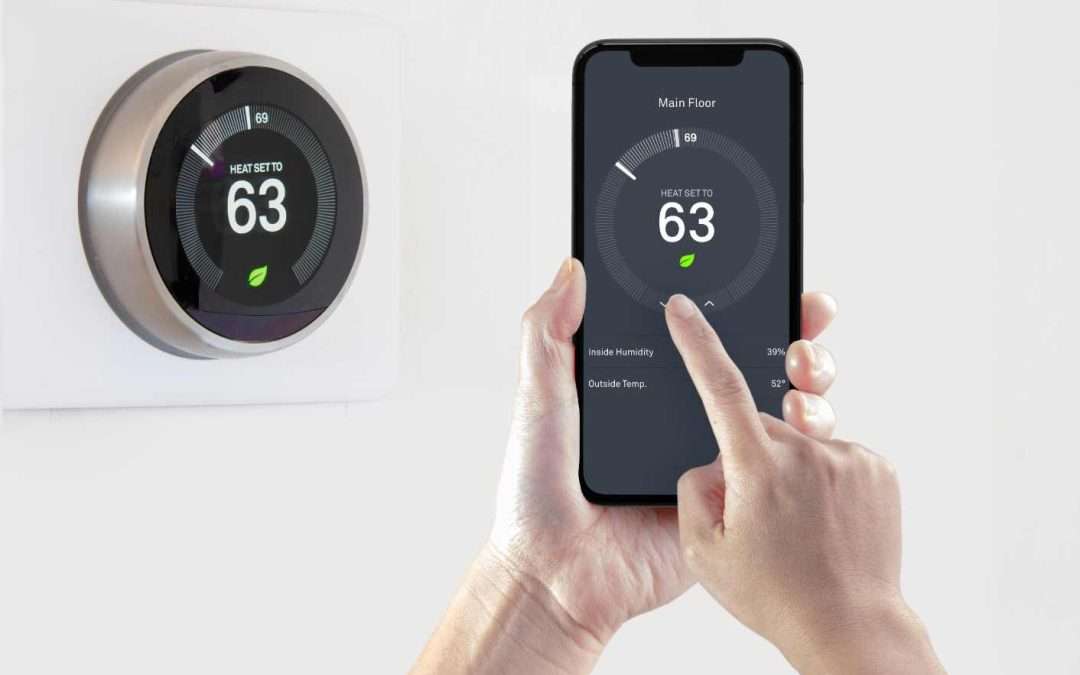
Yes, a smart thermostat can save the average homeowner between 10% and 12% on heating bills and up to 15% on cooling costs annually. Unlike standard programmable thermostats, smart devices save money by “learning” your daily schedule, automatically adjusting the temperature when you leave the house (geofencing), and providing energy usage reports. For most Minnesota homes, these efficiency gains allow the device to pay for itself within two years.
Upgrade to smart control to lower your bills and increase convenience.
- Automatic Adjustments: The thermostat lowers the heat automatically when you leave for work.
- Remote Control: Adjust the temperature from your phone, perfect for warming up the cabin before you arrive.
- Maintenance Alerts: Get notified if your furnace filter needs changing or if your home gets dangerously cold.
- Utility Rebates: Many local power companies offer rebates that cover a significant portion of the purchase price.
Table of Contents
- How Smart Thermostats Create Savings
- The Difference Between “Programmable” and “Smart”
- Top Feature: Remote Monitoring for Lake Homes
- Smart vs. Programmable vs. Manual: A Comparison
- Frequently Asked Questions About Smart Thermostats
- Upgrade Your Home’s IQ
How Smart Thermostats Create Savings
The primary way a smart thermostat saves money is by eliminating human error. We all intend to turn the heat down when we leave for the day or go to sleep, but we often forget.
A smart thermostat removes the need for you to remember. Through features like Geofencing and learning algorithms, it ensures your furnace runs less when the house is empty.
Definition: Geofencing
Geofencing is a feature that uses the GPS location of your smartphone to communicate with your thermostat. When you leave a virtual boundary around your home (the “fence”), the thermostat automatically switches to “Away” mode to save energy. When you cross back into the boundary, it resumes your comfort settings so the house is warm when you walk in the door.
The Difference Between “Programmable” and “Smart”
Many homeowners confuse these two technologies.
- Programmable Thermostats: You manually set a schedule (e.g., 7:00 AM – 68°F, 8:00 AM – 62°F). It follows this blindly. If you come home early or stay late, you have to manually override it.
- Smart Thermostats: These connect to Wi-Fi. While they can follow a schedule, they can also “learn” your habits over time, adjust based on the weather forecast, and be controlled from anywhere in the world.
Top Feature: Remote Monitoring for Lake Homes
For residents in Otter Tail County with seasonal cabins or lake homes, the Remote Monitoring feature is arguably more valuable than the energy savings.
With a smart thermostat app on your phone, you can:
- Check the cabin temperature during a January cold snap to ensure the pipes aren’t freezing.
- Receive an immediate alert if the furnace stops working.
- Turn up the heat on Friday afternoon so the cabin is toasty when you arrive for the weekend.
Smart vs. Programmable vs. Manual: A Comparison
| Feature | Manual Thermostat | Programmable Thermostat | Smart Thermostat |
| Cost | Low ($20-$40) | Moderate ($40-$100) | Higher ($150-$250) |
| Ease of Use | Very Easy | Difficult to Program | Easy (App-based) |
| Remote Access | No | No | Yes (Wi-Fi) |
| Energy Savings | None (User dependent) | ~10% (If programmed correctly) | 10-15% (Automatic) |
| Maintenance Alerts | None | Filter Reminders (Time-based) | System Health Alerts |
Frequently Asked Questions About Smart Thermostats
Do I need Wi-Fi for a smart thermostat to work?
Yes. To use the remote features, app control, and weather data, the thermostat needs a constant Wi-Fi connection. However, if the internet goes down, it will still function as a standard thermostat and keep your home warm.
What is a “C-Wire” and do I need one?
A “Common Wire” (C-Wire) provides continuous power to the smart thermostat’s display and Wi-Fi radio. Many older homes in Minnesota do not have this wire. While some smart thermostats claim to work without it, we highly recommend having one installed for reliability.
Are there rebates available?
Yes. Many local utility providers, including Otter Tail Power Company, often offer rebates for installing Energy Star-certified smart thermostats. We can help you check for current offers.
Can I install it myself?
If you are comfortable with electrical wiring, it is possible. However, if your system lacks a C-wire or uses a dual-fuel setup (heat pump + furnace), professional installation is strongly recommended to avoid damaging your HVAC equipment.
Will it work with my old furnace?
Most likely. Smart thermostats are compatible with the vast majority of low-voltage heating and cooling systems, including older gas furnaces and boilers.
Does it really learn my schedule?
Yes. Brands like Google Nest utilize learning algorithms that track when you adjust the dial for the first few weeks, eventually creating an auto-schedule that mimics your preferences without you having to program it.
Upgrade Your Home’s IQ
A smart thermostat is one of the few home upgrades that pays for itself through lower energy bills while adding significant convenience to your life. Whether you want to save money on heating or just want the peace of mind of monitoring your lake home from afar, Tim’s Heating & Refrigeration can help you select and install the perfect device for your needs.
By: The Team at Tim’s Heating & Refrigeration
Last Updated: January 5, 2026
Credentials: Otter Tail County’s trusted choice for HVAC service with over a decade of experience in residential and commercial heating systems.